Colon cancer is among the most common. In the USA, everyone has a 5% chance of developing it at some point.
In Western societies, it causes thousands of deaths every year, but deaths decrease because new treatments as well as early diagnosis and prevention greatly improve prognosis. Prevention is done through screening the asymptomatic population, which detects benign polyps before they become cancer, as well as early cancers. Screening is done depending on the country, either with stool hemoglobin testing or sigmoidoscopy. There is hope that in the near future it will become possible to use simple blood tests (which are already being tested) for mass screening of asymptomatic populations.
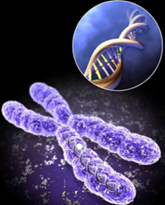
Colorectal cancer is the second most common cancer and affects both men and women alike. The causes are disorders in genes that either occur automatically (mutations) or are inherited. Heredity is either "sporadic" or manifests through genetic syndromes. Gene disorders are of three types:
- Chromosomal instability
- Microsatellite instability
- Methylation disorder
Colorectal cancer begins to develop in the inner mucous membrane (Stage I), then spreads to the underlying muscle layer (Stage II), and then crosses the entire intestinal wall (Stage III). In stage IV, metastases also occur to other organs.
The stage at which diagnosis is made is of great importance for healing. In stage I, the 5-year survival is over 95%, while it gradually decreases in other stages. However, today, with the advancement of therapy with monoclonal antibodies, there are significant successes in treatment, both in stage IV and in recurrence.
There are no specific symptoms that characterize only colon cancer, and this is the greatest difficulty. All symptoms may come from benign and common conditions in 95% of cases and only 5% from cancer. It is important to emphasize that most bowel symptoms are caused by benign conditions that are fully curable. The second important point is that there is a "handful" of bowel symptoms but hundreds of conditions that cause the same symptoms. Therefore, it is impossible to be sure what lies behind each symptom unless evaluated with one of the following: Taking a Medical History, Clinical Examination, Laboratory Tests, and Imaging Tests, depending on the case. So there's no point in trying to make a diagnosis based on 2-3 symptoms, reading the internet, for example, if we have symptoms from the intestines, we just need to talk to a doctor!
The most worrying symptom for the patient is rectal bleeding. This is the result of benign conditions such as hemorrhoids or fissures in 95% of cases, but at the same time, it can also come from cancer, polyps, or inflammatory bowel disease, so we should always consult a specialist, especially if we are over 40 or have a family history of cancer.
Bleeding is more concerning when the blood is mixed into the stool. A small drop of blood on toilet paper is often due to hemorrhoids, but not always! Therefore, in all cases, a clinical examination by a specialist is necessary.
Changes in bowel habits—that is, unexplained changes in bowel movements either watery/diarrhea, progressive constipation, or alternating both—is something that needs to be checked (if it persists for more than 2-3 weeks).
Abdominal pain can be due to many conditions; it is relatively rare to be associated with colon cancer. Clinical evaluation and radiological imaging are definitely necessary.
Teninesmus means a sensation that something remains in the rectum after a bowel movement, usually accompanied by a feeling of incomplete bowel movements and repeated bowel movements. The rectal prolapse can be due to an orthocele, but sometimes it can also be the first symptom of rectal cancer.
The presence of mucus in bowel movements is normal when in small amounts, but heavy mucus secretion can also be present in Irritable Bowel Syndrome or certain tumor forms.
Pain in the anus or rectum is a common symptom accompanied by hemorrhoids, fissures, abscesses, fistulas, and sometimes tumors; a simple clinical examination usually reveals the cause.
Finally, iron-deficiency anemia is normal only in premenopausal women; in all others, it may indicate blood loss from the gastrointestinal tract. Rectal cancer must be ruled out as a diagnosis, and therefore, in every unexplained iron-deficiency anemia, colonoscopy and gastroscopy are performed.
Colorectal cancer should be operated on laparoscopically, unless there is a contraindication, such as previous major surgeries or advanced cancer. Laparoscopic Surgery has been shown to have significant advantages such as faster recovery, fewer infection complications, and better oncological outcomes. In Britain, it is mandatory for all rectal surgeons to be trained in laparoscopic, and the training process was carried out through the creation of 10 national centers that trained all surgeons from the United Kingdom. King's College Hospital is one of these 10 centers, and Savvas Papagrigoriadis served as Head of the training team in the Ministry of Health's LapCo program, for which he was honored with a special Clinical Excellence Award.
The large comparative COLOR II study involving nearly 1,000 patients found that laparoscopic bowel surgery compared to open surgery had: Less blood loss Fewer postoperative complications It has also been found that laparoscopic colectomy is better for the elderly. A Japanese study by Nichikawa e al in 144 patients over 80 years old showed that when colectomy was laparoscopic, there was less bleeding and faster recovery. One problem after any abdominal surgery is the formation of adhesions, which can cause pain, intestinal obstruction, and even the need for reoperation. Laparoscopic surgery halves the risk of developing postoperative adhesions, as shown by a recent study published in the Annals of Surgery.
Laparoscopic surgery cannot be performed in all cases. When there are previous abdominal surgeries or a history of inflammation, adhesions form that make laparoscopy unsafe. Then conversion to open surgery is decided. Also, obese patients have difficulty forming a pneumoperione, and elderly patients and patients with heart failure cannot tolerate positioning with the head lower than the technically required legs. Laparoscopic surgery is performed in about 70% of colon cancers; in the remaining cases, open surgery is necessary.
Recovery is the most important thing after surgery! In recent years, Enhanced Recovery Protocols have been widely used after bowel surgeries. These protocols include a series of measures. Special anesthesia techniques, limitation of intravenous fluid administration, heating and oxygenation techniques of the body, avoiding unnecessary drainage pipes, special postoperative analgesia techniques, immediate postoperative mobilization of the patient, respiratory physiotherapy programs, and more.
These protocols accelerate the patient's rise from bed, ensures painless recovery, speedy discharge from the hospital, and ensures smooth recovery at home. After cancer surgeries, prolonged antithrombotic therapy is given at home to prevent delayed thrombosis.
This defines chemotherapy given simultaneously with rectal cancer radiotherapy. Studies have shown that when 5-FU is given simultaneously with preoperative radiotherapy in pills, called capecitabine, the effect of radiotherapy increases and local recurrence is reduced.
When, after colectomy, the intestine is found to contain positive lymph nodes (Stage III), preventive adjuvant chemotherapy is performed to eradicate possible micro-metastases. The drugs commonly used are 5 FU and Oxaliplatin. The duration of treatment varies depending on whether the specific tumor is considered low or high risk by histological and molecular examination.
Systemic chemotherapy is given in cases of secondary tumor localization, and usually a combination of 5-FU or Capectabine with Oxaliplatin (FOLFOX regimen) or Irinitecan (FOLFIRI) is usually chosen. A triple combination of FOLFOXIRI is given to some patients with BRAF gene mutations. These drugs are also combined with monoclonal antibodies for better effectiveness.
Monoclonal antibodies are produced with the goal of destroying key tumor sites. These drugs are currently used in all cases of systemic cancer because they significantly increase survival. Bevacizumab (Avastin) is the representative of VEGF (Vasculat Endothelial Growth Factor) inhibitors—an angiogenesis inhibitor when the tumor cannot form blood vessels, its growth slows down.
The other category is EGFR (Epidermal Growth Factor Receptor) inhibitors, primarily represented by Cetuximab (Erbitux). These drugs are given to tumors that have the KRAS Wilde type gene in molecular analysis.