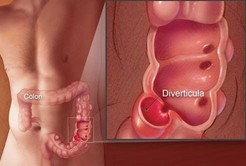
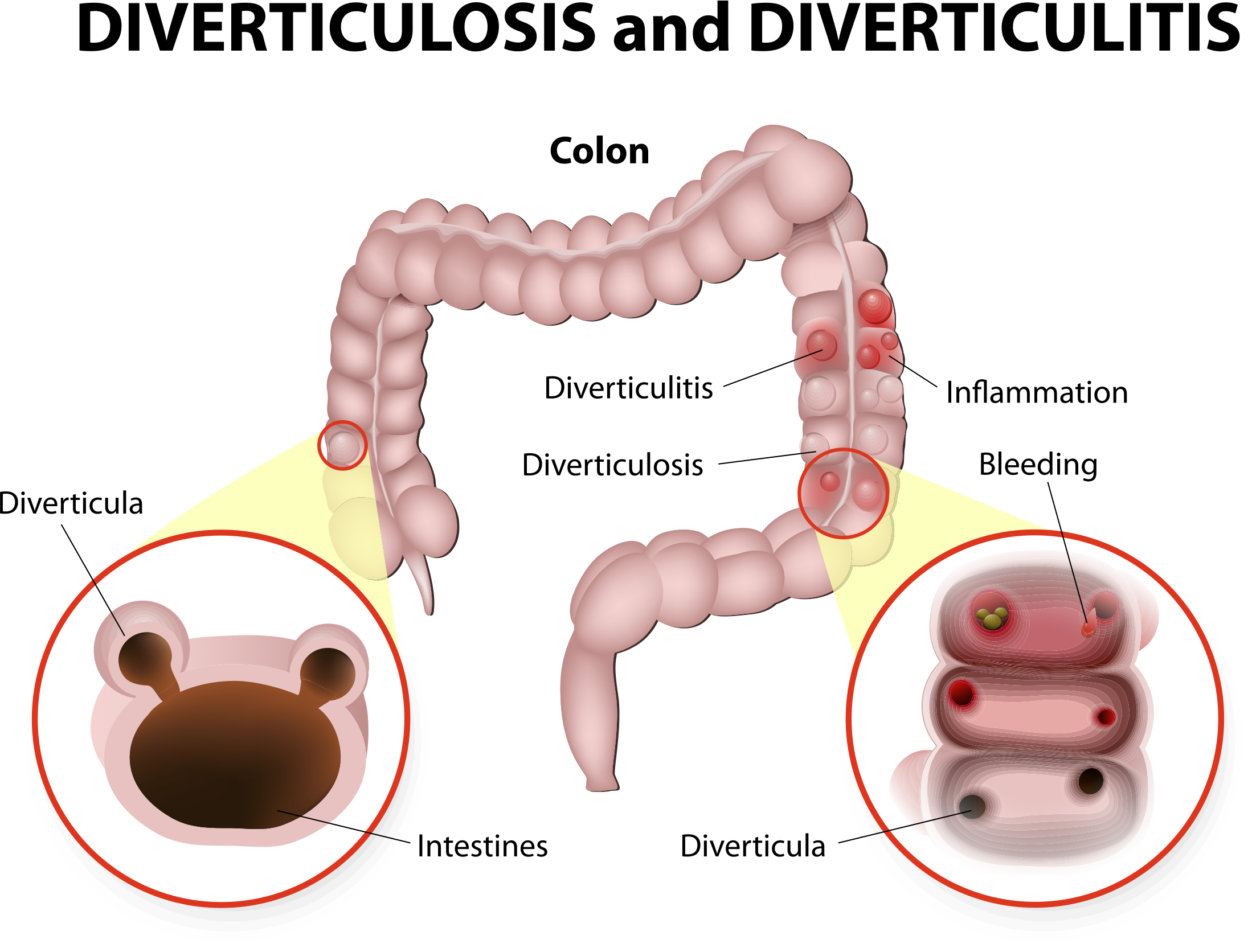
Left, diverticula without inflammation. Right, diverticulitis: the wall thickens and the inflammation extends around the intestine. The shape is low-resolution in the original.
Left, diverticula without inflammation. Right, diverticulitis: the wall thickens and the inflammation extends around the intestine. The shape is low-resolution in the original.
Diverticula are small, sac-shaped projections from mucous membranes that protrude through the muscular lining of the intestine. In some cases, diverticula begin to become inflamed and cause "diverticulitis." In most cases, there are no symptoms. Diverticula are either discovered randomly during colonoscopy or, at the opposite end, when they cause a complication. The clinical picture can vary among the following cases.
What causes diverticulosis? It's unknown, but there are theories suggesting that chronic increased pressure inside the intestine caused by constipation is responsible. A diet low in fiber (fruits, vegetables) predisposes to diverticulosis. That's why the most common advice given to patients with diverticulosis is to follow a diet rich in fruits, vegetables, and fiber supplements. Recently, there has been evidence that genetic factors may influence the onset of the condition.
Diverticular disease is increasing in Western societies. We published a study at King's College in 2008 where we found a large increase in England independent of any population aging (Int J Colorectal Dis. 2008 Jun 23(6):619-27. Diverticular disease increases and effects younger ages: an epidemiological study of 10-year trends Santhini Jeyarajah, Savvas Papagrigoriadis). There was also a shift in patients' age toward younger ages. Subsequent international studies confirmed our findings. It is unknown exactly what these changes are due to, but they raise concerns about the future of patients with the condition.
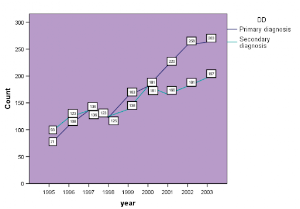
As we already mentioned, there is much scientific evidence that diverticulitis is spreading to younger people. It is no longer our grandmothers' disease. Every day we see young people in our clinic, in their fifties, forties, and even thirties, with acute diverticulitis. My youngest patient came in at the age of 23! The cause of this phenomenon is unknown, but it has raised the question of whether different treatment is needed. There are studies that suggest that young people suffer from more frequent and severe diverticulitis complications, especially men. This has led some to recommend surgery more frequently for those under 50. This is not yet a guideline, but young people themselves are seeking surgery much more frequently as a solution to their problem. In these cases, the recommendation should be personalized according to current scientific guidelines after detailed discussion with the patient.
Twin studies have shown that heredity plays a major role in the formation of diverticulosis. This is believed to be related to the synthesis of gut collagen, which is also genetically determined. Other studies have found that cases of diverticulitis occur consecutively in some families. A recent American study published in Nature Genetics conducted an extensive analysis of the genome of hundreds of thousands of people and found 39 loci (genes) associated with the formation of diverticulitis that were previously unknown.
Therefore, there is a strong genetic predisposition to the development of diverticulosis. However, this does not change the fact that factors such as diet and others also affect the condition. However, it is good for patients to know the full picture, especially those who often ask me with curiosity, "How did this happen to me when I follow a proper diet?" The answer is that there are genetic factors we cannot control.
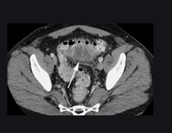
Diverticulitis is inflammation of the intestine, usually the sigmoid colon. The cause is believed to be a bacterial infection with the formation of a pericolitic abscess, but the reason for this is unclear. Research at King's College by our team found increased expression of serotonin, a neurotransmitter that controls bowel motility, in cases of diverticulitis. Treatment involves antibiotics, which can be either oral or intravenous, depending on the severity of the clinical picture. Diverticulitis is almost always treated conservatively without surgery, but relapses do occur.
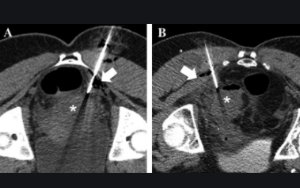
The formation of abscesses and fistulas is common after diverticulitis. If abscesses are small, up to 4-5 centimeters, they are treated with antibiotics. Larger abscesses can be drained by puncture guided by a CT scanner. Large abscesses that create peritonitis may require surgery.
Diverticulitis may, if it progresses, cause peritonitis characterized by severe abdominal pain, fever, and elevated inflammatory markers in blood tests. Depending on severity, diverticular-related peritonitis is categorized into Hinchey 1-4. In Hinchey stages 1-2, there is only a local abscess without pus in the abdomen, and treatment is antibiotic-only.
At the Hinchey stage 3, there is free pus in the abdomen. The traditional treatment is resection of the sigmoid colon with colostomy (Hartmann's surgery). However, the modern view is that the best procedure is peritoneal lavage (Laparoscopic Peritoneal Lavage – LPL), which is a procedure without bowel resection from which the patient recovers within 48 hours. Recently, a research study from King's (Scarpinata & Papagrigoriadis) confirmed that LPL is an effective treatment that does not require further surgery.
At the Hinchey 4 stage, there is intestinal perforation and fecal peritonitis. There, bowel resection is needed, followed by a Hartmann procedure with colostomy, or the alternative with intestinal anastomosis and prophylactic ileostomy. Research has shown that it is better to avoid colostomy and prefer anastomosis with ileostomy. The difference is that ileostomy is easy to close with a moderate surgery a few weeks later, whereas colostomy requires a major operation that carries a risk of complications and the colostomy ending permanently. For this reason, Hartmann surgery with colostomy should be avoided as much as possible. For this reason, it is better for these procedures to be performed by a specialized bowel surgeon rather than by a general surgeon.
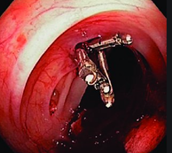
A rarer but more serious complication is acute diverticulum bleeding, which can be life-threatening. It is treated with transfusions and placement of hemostatic clips in the bleeding vessels. If this does not work, emergency angiography is performed with embolization of the bleeding vessel. If it does not stop, emergency surgery and colectomy are required. Unfortunately, diverticulum bleeding can recur, and if this happens, selective surgery and resection of the affected area are recommended. There is no known way to prevent bleeding. There is currently a research protocol from our team at King's College studying selective endoscopic ligation with metal clipping of diverticals as a method to prevent bleeding recurrence. There is evidence that this method may soon be established.
Sometimes diverticulitis does not completely resolve and continues for weeks or months to show symptoms as well as elevated inflammatory markers such as white blood vessels, neutrophils, CRP, and inflammation on CT scans. Episodes appear to subside with antibiotics but recur within a few weeks. This form is called smouldering diverticulitis and is dangerous for complications. It is managed with antibiotics for a longer period, mesalazine treatment, close clinical monitoring, repeat inflammation markers and CT scan, low-residue diet (no fiber), and if it does not completely subside, surgery is indicated to prevent complications.
Diverticulitis can recur months or years after the first attack. The majority of recurrences, however, occur within 2 years of the first attack. There is no direct correlation between the number and severity of complications, but patients and doctors are starting to consider surgery with the increasing number of infections. Antibiotics usually temporarily control the situation but do not protect against relapses. There is research evidence that young men (under 50) are at greater risk of serious complications, but the reasons are unknown. However, the epidemiological evidence is strong enough to make surgery easier for this group.
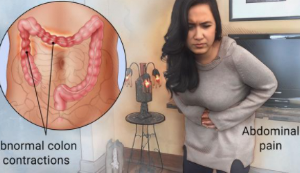
In many patients with diverticulitis, all signs of inflammation subside, but the symptoms persist. These are informal, mainly abdominal pain and bowel disturbances. The persistence of symptoms despite the subsidence of inflammation is not clear why it exists, but one theory is sensory disturbance of the intestinal nerve endings with post-inflammatory hypersensitivity. This form of the disease is called Symptomatic Uncomplicated Diverticular Disease. Treating chronic symptoms is difficult because they do not respond to antibiotics and various medications can be used to address each symptom. SUDD resembles a type of Irritable Bowel Syndrome after infectious gastroenteritis (Post-Infectious IBS). Although many patients in this condition request surgery, this step needs to be studied a lot because unfortunately sometimes symptoms can relapse after surgery. The goal is for most patients with SUDD to avoid surgery.
Naturally, all patients hope to be cured without needing surgery. In 90% of cases, this is indeed possible. Are there any medications or other preservatives to reduce the chances of surgery? The answer is yes, there are. There are four types of treatment that can be given: • Antibiotics • Mesalazine • Fiber • Probiotics Antibiotics are the general treatment for diverticulitis episodes and are effective in a large percentage but... there is one but! Antibiotics have a limited duration of action. They can make diverticulitis attacks subside, but after a few days they lose their effectiveness. The microbes become resistant and prolonged antibiotic administration has no effect. In recent years, some experts have gone even further to question whether antibiotics should even be given for diverticulitis, since there are several studies, as analyzed in the Peery & Stollman article, that it is not necessary. A non-absorbable antibiotic, Rifaximin (Rifacol), is popular in some countries (Italy, Greece) and not at all in others (Britain, Netherlands, etc.), in a one-week daily schedule to prevent diverticulitis recurrence. Studies on rifaximin are methodologically weak, and many experts (myself included) disagree with the ongoing destruction of the gut microbiota it causes. There is no evidence that rifaximin is effective for prevention.
There is extensive literature showing that an old colitis medication, mesalazine, also helps in treating diverticulitis. Mesalazine comes in many forms (Salofalk, Asacol, Pentasa, etc.) and is generally a safe and well-tolerated drug. Which form of mesalazine is most suitable for each patient is decided by the specialist doctor. A recent systematic study confirmed that mesalazine may reduce the risk of recurrence in diverticulitis (see here). Another systematic study confirmed that mesalazine can, in addition to preventing relapses, also reduce chronic symptoms (see here). Mesalazine is indicated in all cases where diverticulitis has also caused colitis. This happens in some cases, and this is called diverticulitis or segmental colitis. Diagnosis is made by colonoscopy and biopsies. Colonoscopy and biopsies should be performed after the acute phase in all diverticulitis cases and within the framework of the new DICA CLASSIFICATION, which is recommended by international experts for the rational treatment of diverticulitis.
Providing a high percentage of fiber in the diet has been considered for decades as a good prevention of diverticulosis. This beneficial effect is now believed to indeed exist, but no longer that diet is the main factor – many others have also been found. A large study of 690,000 women in Britain found that fiber reduced the inciduatorial disease and that cereals and fresh fruits had a better effect than green vegetables and potatoes. Today, we still recommend a high-fiber diet for diverticulosis, but we know that other factors such as heredity, aging of the intestinal wall, smoking, etc., also have negative effects.
Probiotics are mixtures of microbes administered to restore the normal gut flora. In a simplified description, the gut contains many billions of microbes with a wide variety of species and populations. Various types of microbes do not negatively affect the body; on the contrary, they have beneficial effects when they are in specific balances and proportions. When the balance of gut microbial fluids is disrupted, there is an overgrowth of some harmful species, such as anaerobics, etc. This disruption of the flora (the microbiome, as it is called today) is thought to be involved in many diseases, not only of the gut but of all systems. Probiotic treatments are being tested for all conditions today. However, not all probiotics are the same, and not all have scientific evidence supporting their therapeutic effects. Several probiotics have been tested for diverticulitis with evidence of benefit.
Our own studies at King's College showed that a) there is a disruption of gut microbiome bacteria in diverticulosis, b) that it is possible to use special probiotics in high concentrations (L. rhamnosus, E. faecium, L. acidophilus, and L. plantarum) that are alive (unlike other probiotics) to improve symptoms in diverticulosis. Not all probiotics work, only those scientifically proven to survive gastric acid and enter the intestine where they act.
Savvas Papagrigoriadis is a member of the international committee of diverticular diverticitis experts of the INTERNATIONAL DIVERTICULAR ASSOCIATION and has contributed to the drafting of the international guidelines on diverticular disease of the colon: the Fiesole Consensus report Gut 2026;75:1654-1681.
When diverticulitis is operated on remains a matter of debate, and international guidelines say the decision should be individualized. Since 2007, I have established in London the world's only Diverticular Disease Clinic with the aim of rationalizing medical treatment of the condition and minimizing unnecessary surgeries as much as possible. This is achieved through the study of international research work by colleagues from around the world, many of whom I have organized international conferences, as well as through our own research efforts over 20 years. However, the indications for surgery are not always clear. International professional associations have recently recommended personalizing the decision based on the assessment of each patient's clinical condition, history, and risk. After an episode of acute diverticulitis, monitoring is required because there is a risk of a new episode within the next 2 years. Monitoring is carried out with laboratory tests, and in some cases, treatment is given as described in other paragraphs.
There are some patients with diverticularitis who will not avoid cheering. Which patient will undergo surgery is not a simple decision, which is why current guidelines do not set strict criteria but require the surgeon to decide based on individualized criteria for each patient. Patients with threatened complications or serious episodes are the main candidates for surgery. The procedure is in the majority of cases laparoscopic sigmoidectomy. Laparoscopic surgery has been shown in many studies to have advantages over diverticulitis surgery and is preferred. The procedure solves the problem of diverticulitis but does not completely rule out the possibility of a new infection in the future; about 15% of patients may relapse some years later.
The formation of colostomy (Hartmann surgery) is avoided today and is performed only in emergency procedures for fecal peritonitis.
Diverticulitis is a disease that tends to form fistulas. In this, it resembles Crohn's disease, actinomycosis, and others.
The most common fistulas are formed through the vagina or bladder and are called orthovaginal or orthocystic fistulas. However, fistulas can also form with other organs of the body or through the skin. There are some patients who tend to develop fistulas due to diverticulitis.
Diverticularitis has huge financial impacts on the healthcare system. In a study my team conducted in England, 5% of the surgical department's budget was spent on treating diverticulosis, as a combination of inpatient ward and intensive care units, expenses for endoscopies, radiological examinations, monitoring, and readings.
Diverticulum disease has significant impacts on quality of life in multiple ways. Patients undergoing emergency surgery often end up with colostomy, which affects their lives. Repeated episodes, hospitalizations, antibiotic treatments, radiological and endoscopic examinations affect personal, family, and professional life. Patients with SUDD face chronic symptoms that cause anxiety and insecurity. My team, since 2003, was the first to publish the results of diverticula disease on quality of life (Colorectal Dis. 2003 Jul5(4):320-3. Diverticular disease has an impact on quality of life -- results of a preliminary study. L T Bolster, S Papagrigoridis), since then other studies have repeated our findings. Another reason to intensify our efforts to improve the prognosis of this condition.

In diverticulosis, the diet must include many fruits and vegetables. A large epidemiological study by Strate et al., from America, involving over 46,000 people monitored over a decade to correlate the risk of diverticulitis with diet, found the following. People who ate the Western Diet, meaning a lot of red meat, high-fat dairy, and processed grains, had a 55% higher risk of developing diverticulitis than those following the Prudent Diet. This diet contains many fruits, vegetables, and raw grains. Therefore, diet is a relatively easy way to reduce the risk of developing diverticulitis. Coffee, tea, and alcohol in moderation are allowed.
The most common question my patients with diverticulitis ask me is whether they should avoid nuts and seeds. According to old beliefs, since the 1950s, they can cause diverticulitis. I emphasize to everyone that these beliefs are wrong and, on the contrary, nuts are harmless and part of the healthy diet that diverticulosis sufferers should follow. To convince the most concerned, they can read the advice of the Mayo Clinic, which points out that there is no scientific basis for these restrictions. A study of 47,000 men from Washington University found no evidence that nuts and spores are linked to diverticulitis complications. The Cleveland Clinic ranks opinions about nuts among the major myths spread without foundation. The American Gastroenterological Association, in its 2015 guidelines, states that there is no scientific basis to avoid nuts and seeds. Therefore, all patients with diverticulitis can safely eat walnuts, almonds, hazelnuts, peanuts, and other fruits, as well as tomatoes. Of course, when there is a recent episode of acute diverticulitis, a temporary abstinence from fiber-rich foods is required for 3 or 4 weeks, but once the inflammation subsides, the gradual reintroduction of fiber, fruits, vegetables, and nuts is necessary, as all these foods have anti-inflammatory properties.
Antibiotic abuse does not help with colpomatitis, although it is often necessary in acute infection.
Administering antibiotics with the slightest abdominal symptom without inflammatory parameters, as well as cyclic administration of preventive antibiotics, has no evidence of effectiveness and can cause harmful consequences.
Chronic use of steroids and anti-inflammatory drugs, as well as many medications that alter the gut microbiome, is also contraindicated.
